




The latest fashion icon may not be a designer, a celebrity or an influencer. She might be your grandmother. Once considered old-fashioned and outdated, the Italian nonna is having an unexpected moment in fashion, as Gen Z brings her style back into the spotlight and reinterprets it through a contemporary lens. With searches for the “Grandma Aesthetic” on TikTok increasing by more than 150%, the trend is moving beyond social media to inspire everyday wardrobes. This phenomenon is not simply driven by nostalgia. Rather, it reflects a desire among younger generations to rediscover pieces and aesthetics from the past, recognising their inherent charm and reinterpreting them through a new and personal lens.
Why is this style so appealing to younger generations?
This slightly vintage aesthetic brings together several elements that resonate strongly with today’s younger consumers. First and foremost is the enduring appeal of the Italian Dolce Vita: an aesthetic that has dominated social media for years, influencing both fashion and lifestyle. The grandmother aesthetic fits naturally into this broader narrative, reinterpreting it through a simpler, more domestic lens.
Dressing like a true Italian nonna can be as simple as pairing a linen shirt or lightweight cardigan with a long, flowing skirt, or choosing an apron in an iconic, colourful print. These outfits must be always completed with an head scarf.
 |
 |
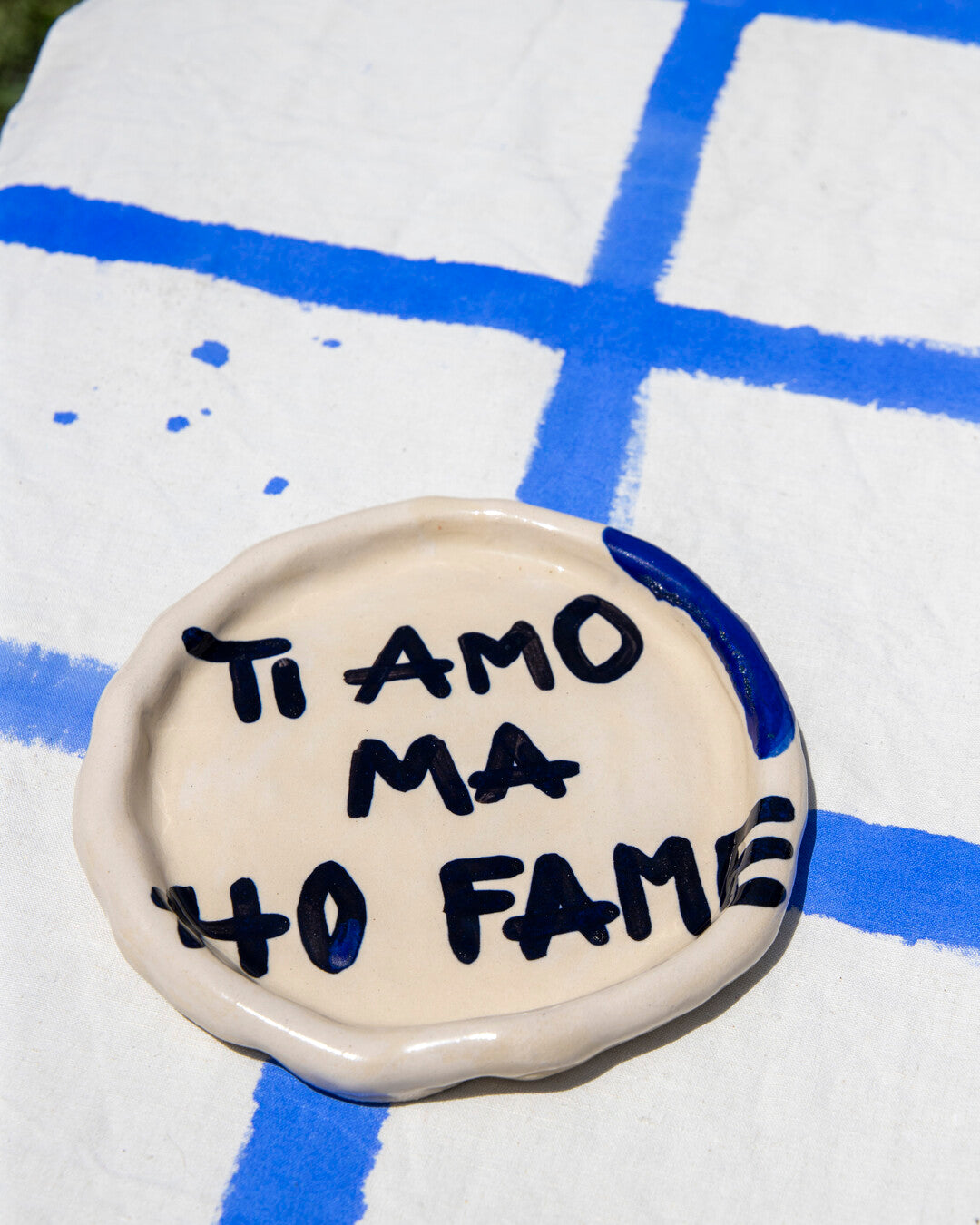
But the nonna aesthetic does not stop at clothing. It extends into the home, too: lace doilies, embroidered cushions and decorated ceramic plates are all part of an interior world that many of us associate with childhood.
 |
 |
This deliberately simple approach also encourages the use and purchase of second-hand pieces, which is a very common practice among the new generations. Many of these garments may already be sitting in our wardrobes because we considered them unfashionable before; while others can easily be found through the resale platforms increasingly popular among younger consumers.
Yet the trend has not gone unnoticed by fashion brands. Several have drawn inspiration from the grandmothers of the Bel Paese, transforming familiar domestic references into contemporary fashion statements. For Spring/Summer 2026, Jacquemus celebrated an authentic Mediterranean spirit through essential silhouettes and natural fabrics, while Miu Miu transformed the humble domestic apron into an object of desire with looks that blurred the boundaries between house dress and haute couture.
 |
 |
Why can this trend be linked to craftsmanship?
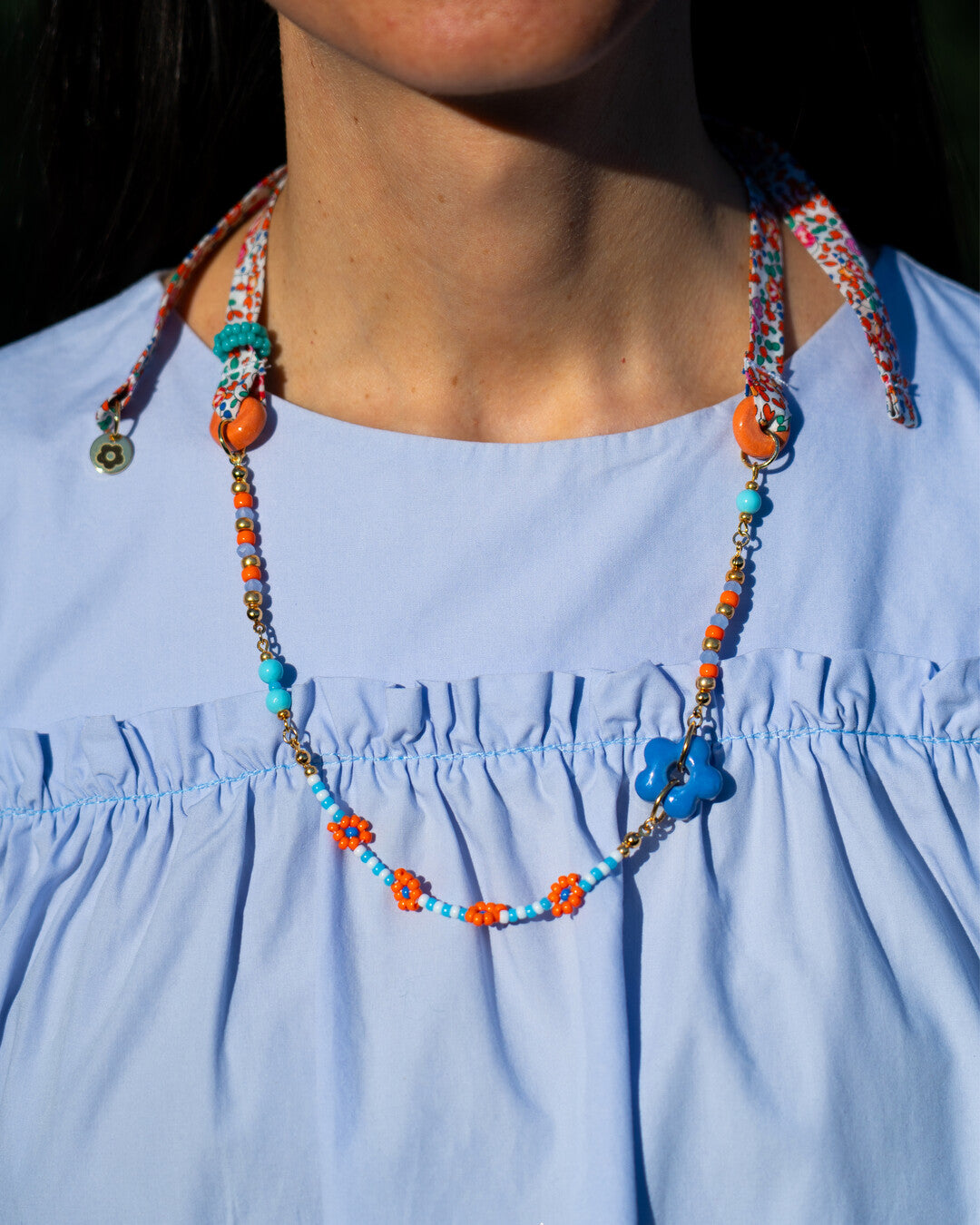
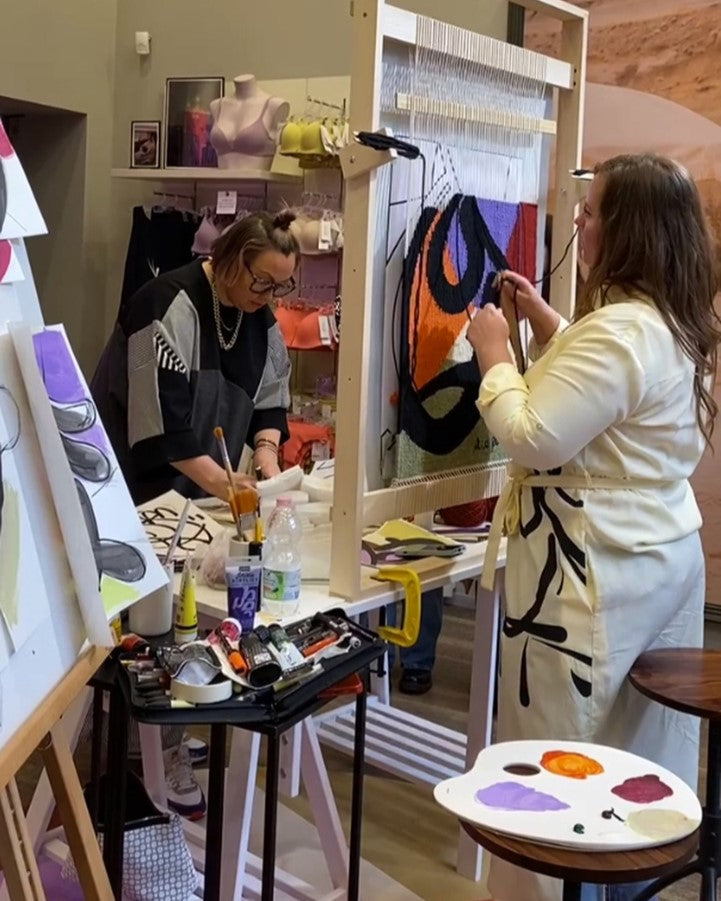
The appeal of the nonna aesthetic goes beyond simply wearing something old. What makes these objects particularly relevant today is the sense of craftsmanship they often embody. Embroidered linens, hand-painted ceramics, knitted cardigans, leather bags and jewellery designed to be worn for decades all belong to a world in which objects were made to last rather than to be replaced.
 |
 |
This is perhaps where the nonna aesthetic comes closest to a contemporary idea of luxury. In a culture increasingly dominated by mass production and rapidly changing trends, craftsmanship gives an object something that cannot be replicated by speed: time. A handmade piece carries the trace of the person who made it, while an inherited piece carries the memory of the person who owned it.
The result is a different understanding of value. Luxury is no longer defined solely by rarity, price or brand recognition, but by longevity, craftsmanship and the story attached to an object.
 |
 |
 |
 |