




For a long time, craft has been described as gentle, decorative or comforting. Handmade work, especially when associated with women, has often been framed as intimate and domestic rather than ambitious or economically relevant.
But many of the most radical gestures in contemporary culture have been made with thread, fabric, repetition and time.
This is where craftivism enters the conversation.
Craftivism: when craft becomes activism
The term craftivism was popularized in the early 2000s to describe practices that combine craft and activism. The concept highlights how techniques such as knitting, embroidery, weaving, and textile work can be used to address social and political issues.
Craftivism is not primarily about aesthetics. It is about intention.
Many artists and makers use traditionally “feminine” techniques to question systems of power, visibility and labor. Instead of loud protest, craftivism often works through persistence and repetition. Each stitch becomes part of a larger narrative.
In a culture obsessed with speed and productivity, the slow rhythm of handmade work can itself become a form of resistance.

|
| The Red Dress Project, Kirstie Macleod |
One powerful example is The Red Dress Project, a monumental embroidery artwork coordinated by artist Kirstie Macleod. Over more than a decade, the dress has been embroidered by hundreds of women from over fifty countries.
Each participant contributed a section of embroidery, bringing personal stories, cultural symbols and experiences of work into the garment.
The result is not simply a dress but a global archive of women’s labor.
What makes the project particularly significant is the visibility it gives to embroidery itself. A technique historically associated with domestic work becomes a collective artwork that speaks about authorship, value and the often invisible labor behind textile traditions.
Yarn bombing and the politics of softness
One of the most recognizable forms of craftivism is yarn bombing. The practice involves covering elements of public space with knitted or crocheted textiles.
Lamp posts wrapped in yarn. Trees dressed in knitted sleeves. Public benches softened with fiber.
At first glance these interventions may seem playful, even decorative. In reality they subtly disrupt how we perceive public space.
The practice gained global attention when Magda Sayeg covered a stop sign in Houston with knitted fabric in 2005. That small gesture grew into a worldwide movement where textile artists began reclaiming urban spaces through fiber.
Over time yarn bombing projects became larger and more collaborative. In 2013, hundreds of knitters helped cover the Andy Warhol Bridge in Pittsburgh with colorful crocheted panels. A rigid piece of infrastructure temporarily transformed through collective textile labor.
 |
 |
|
Pink Tank Cozy, Marianne Jørgenson |
Pussyhat Project |
In another well known project, knitters around the world created panels to wrap a military tank at the Danish War Museum in Copenhagen. The contrast between wool and weaponry was powerful and unmistakable.
More recently, contemporary textile artists have continued pushing craftivism into new territories. The international collective known as the Pussyhat Project turned knitting into a symbol of feminist protest during the Women’s March. Artist Olek has created monumental crocheted installations that wrap sculptures, buildings, and public monuments, turning fiber into a disruptive visual language.

|
|
Olek crochets an entire four-car locomotive in Lodz, Poland |
These works do more than decorate cities. They challenge assumptions about craft, labor and visibility.
Softness becomes a way of occupying space.
Why the word “cute” matters
Language shapes perception. Calling handmade work “cute” may sound harmless, but the word often reduces the complexity behind it.
Cute removes intention.Cute hides labor.Cute softens ambition.
When a work is labeled as cute, it is easier to overlook the time, skill, and economic risk involved in making it. The result is admiration without recognition.
Historically, many practices associated with women have been praised for their beauty while being excluded from conversations about value, authorship and professional legitimacy.
In that sense, the word cute is not neutral. It quietly transforms work into decoration and discipline into pastime.
Handmade work as real work
Looking closely at craftivism reveals a broader truth about handmade practices.
Behind every handmade object there are systems. Time invested in learning techniques. Repetition that refines skill. Failures that lead to new solutions. Decisions about materials, pricing, and sustainability.
Craft is not simply expression. It is a form of labor.
Recognizing this does not mean romanticizing handmade work. It means acknowledging the expertise, discipline and responsibility behind it.
 |
 |
Why this conversation matters to us
At TA-DAAN this topic is not abstract.
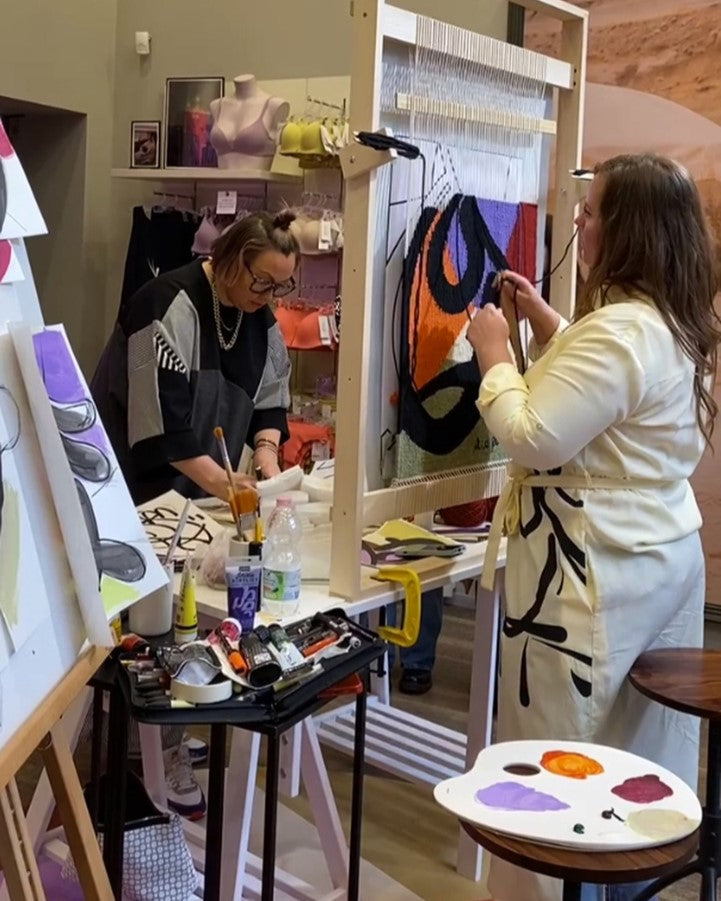
The community of artisans we collaborate with across Europe is composed of roughly 85% women. Many of them have chosen to turn craft into their primary profession.
That decision often requires significant courage. It means investing time, resources, and personal energy into building a practice that is still sometimes perceived as a hobby rather than a serious career.
It means transforming skill into business and repetition into sustainable work.
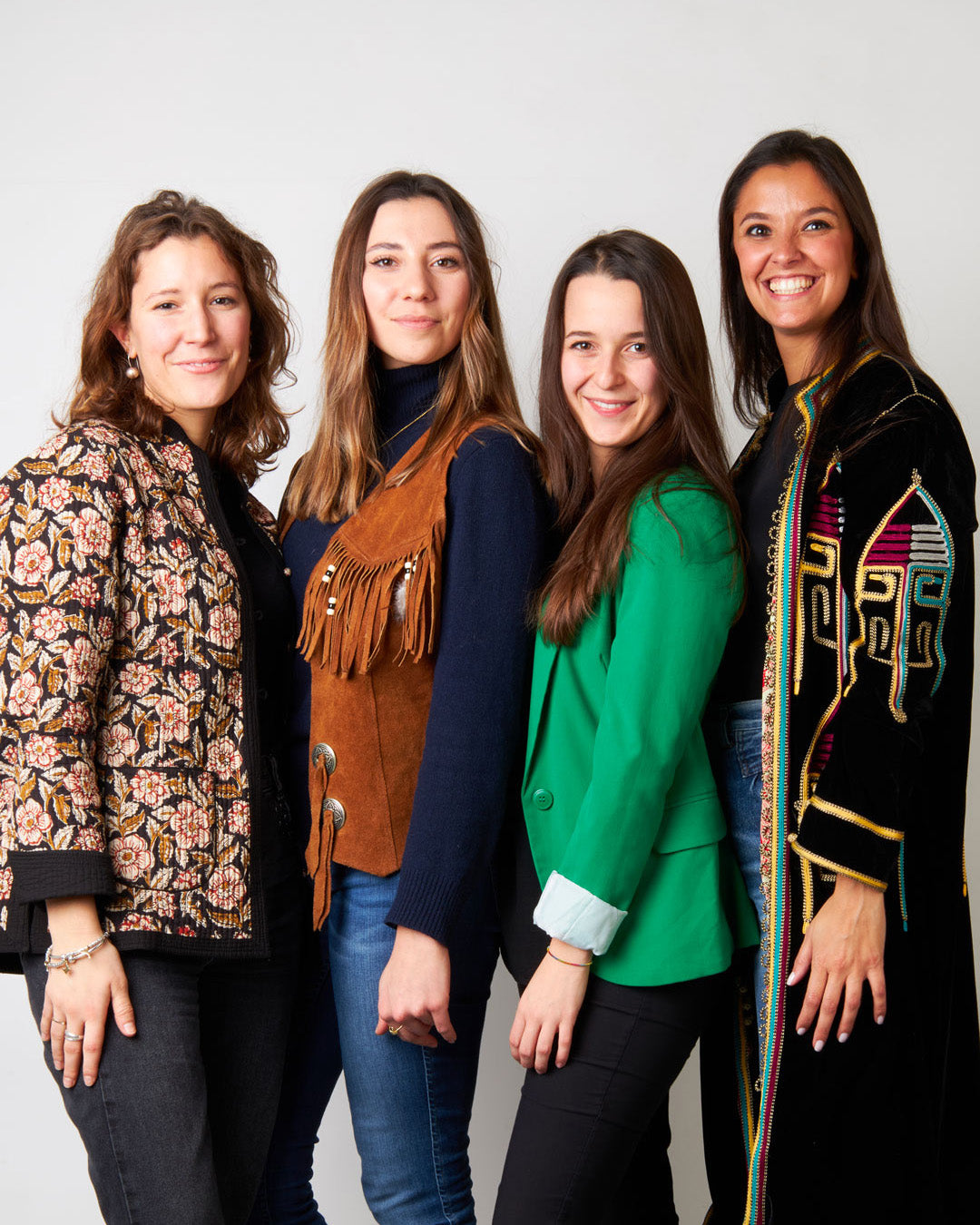
TA-DAAN itself was founded by four women who chose entrepreneurship as their path. Building a platform dedicated to craftsmanship was both a creative and economic commitment.
Every day we see how much work stands behind the objects people call “beautiful” or “handmade”.
Every day we see the discipline, persistence and risk involved.
This is why the conversation around craft, language and value matters so deeply to us.
Because behind every handmade piece there is much more than aesthetics.
There is time.There is labor.There is choice.
And sometimes the first step toward recognizing that work is surprisingly simple.
Stop calling it cute.