
The Kidult aesthetic is a design and lifestyle trend rooted in nostalgia, playfulness and the emotional comfort of childhood. From collectible toys and plush charms to colourful interiors, playful jewellery and handmade objects, it reflects a growing desire to bring joy, softness and self-expression back into adult life.
In a period shaped by uncertainty, screen fatigue and burnout, objects that recall childhood have become more than decorative accessories. They act as emotional anchors, evoking memories of simpler times and transforming everyday spaces, outfits and rituals into something more personal and joyful.
What is the Kidult Aesthetic?
Particularly after Covid and the rise of screen time, adults have rediscovered the value of play as a source of comfort, creativity and stress relief. As a result, toys and objects that reference childhood have gained growing attention in adult consumption.
The word “kidult” has been used for decades to describe adults who engage with forms of entertainment, products or aesthetics usually associated with childhood. Today, the Kidult aesthetic refers to a broader lifestyle and design sensibility built around nostalgia, emotional comfort, colour and play.
From Labubu to Sonny Angels: Playful objects become adult accessories
In a world where adulthood is often associated with seriousness and productivity, creative industries are making space for more playful, colorful and expressive elements.
From the mischievous Labubu to Sonny Angels and Jellycat plush toys, the Kidult aesthetic reflects a desire to preserve moments of playfulness and emotional comfort within adult life.
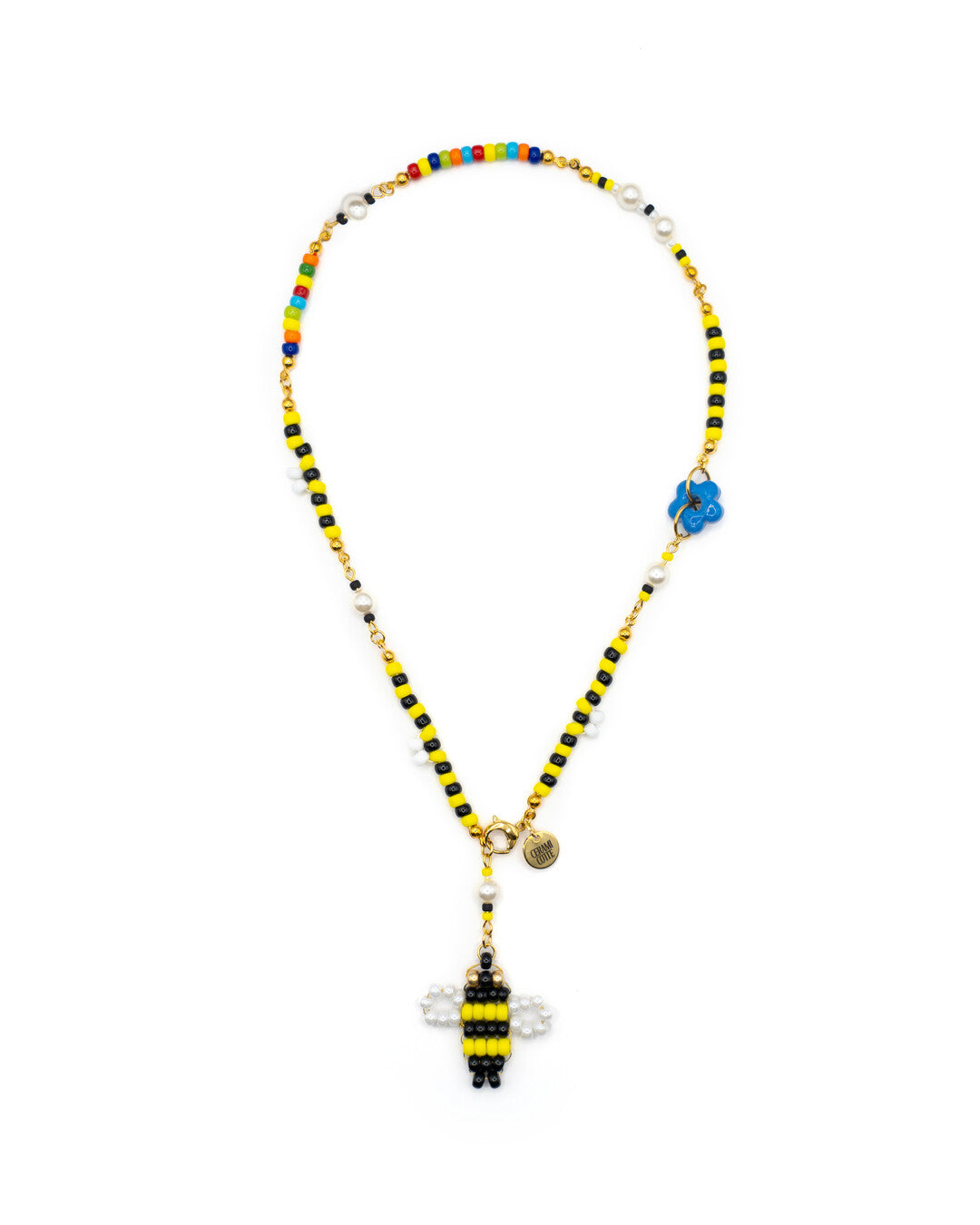
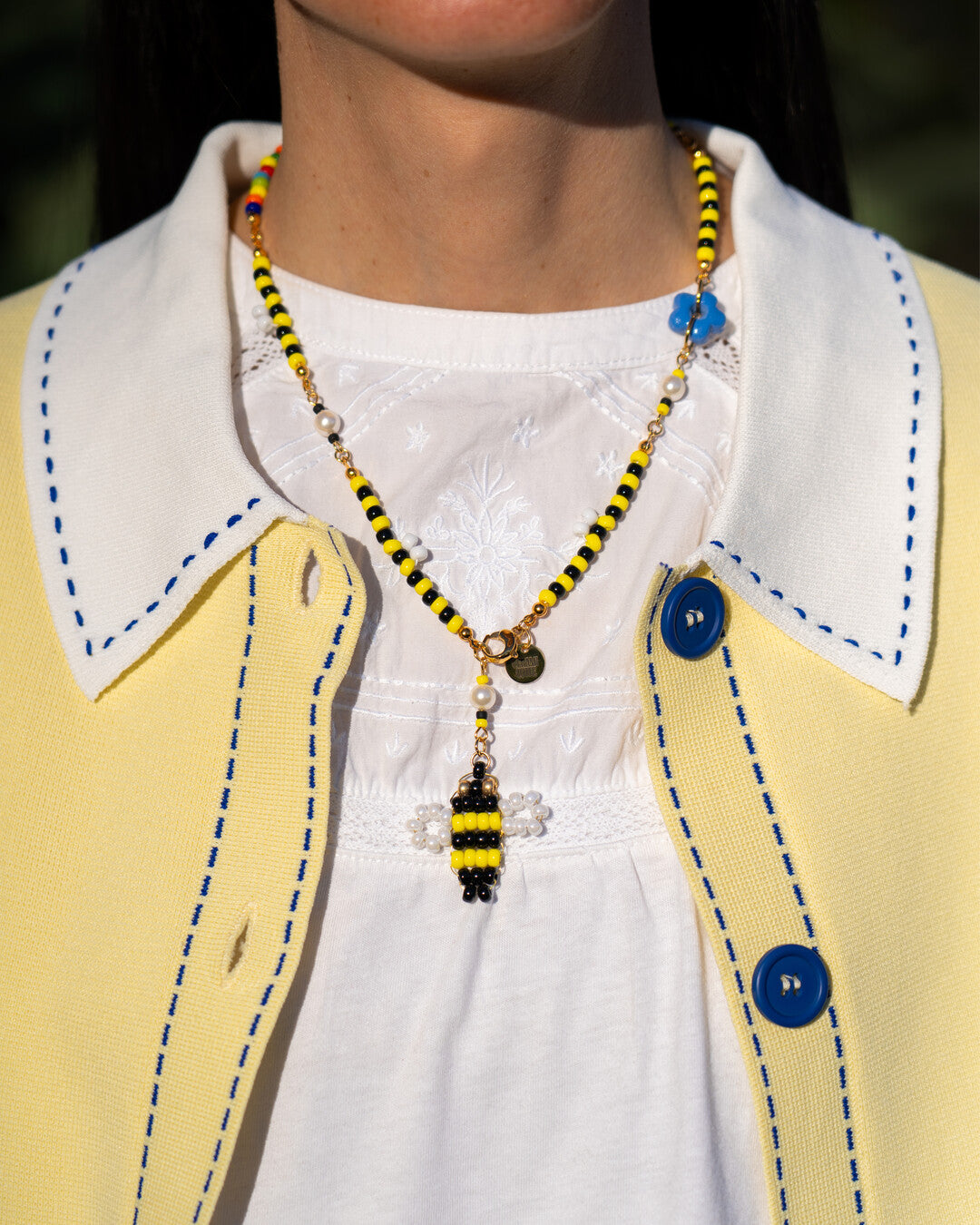
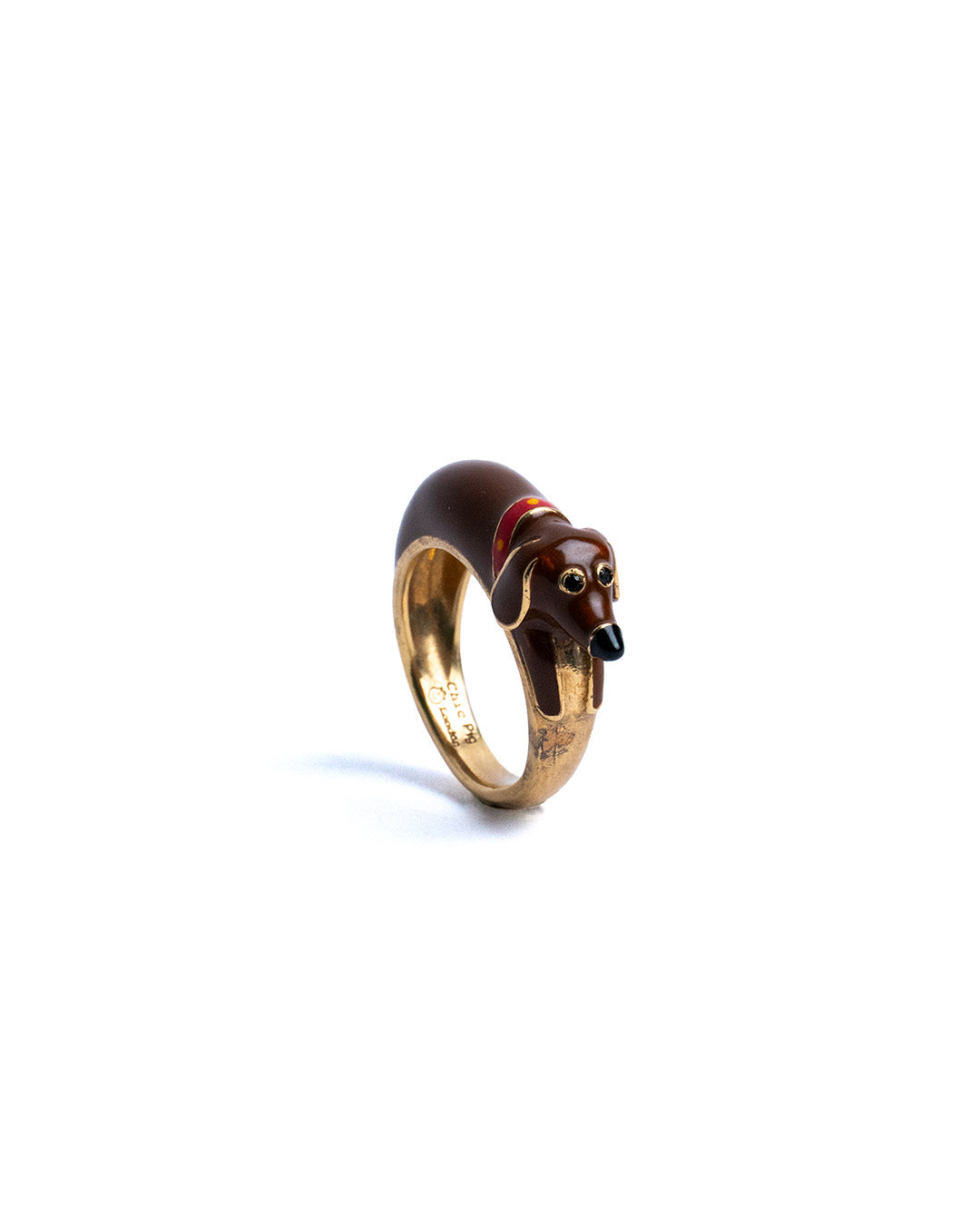
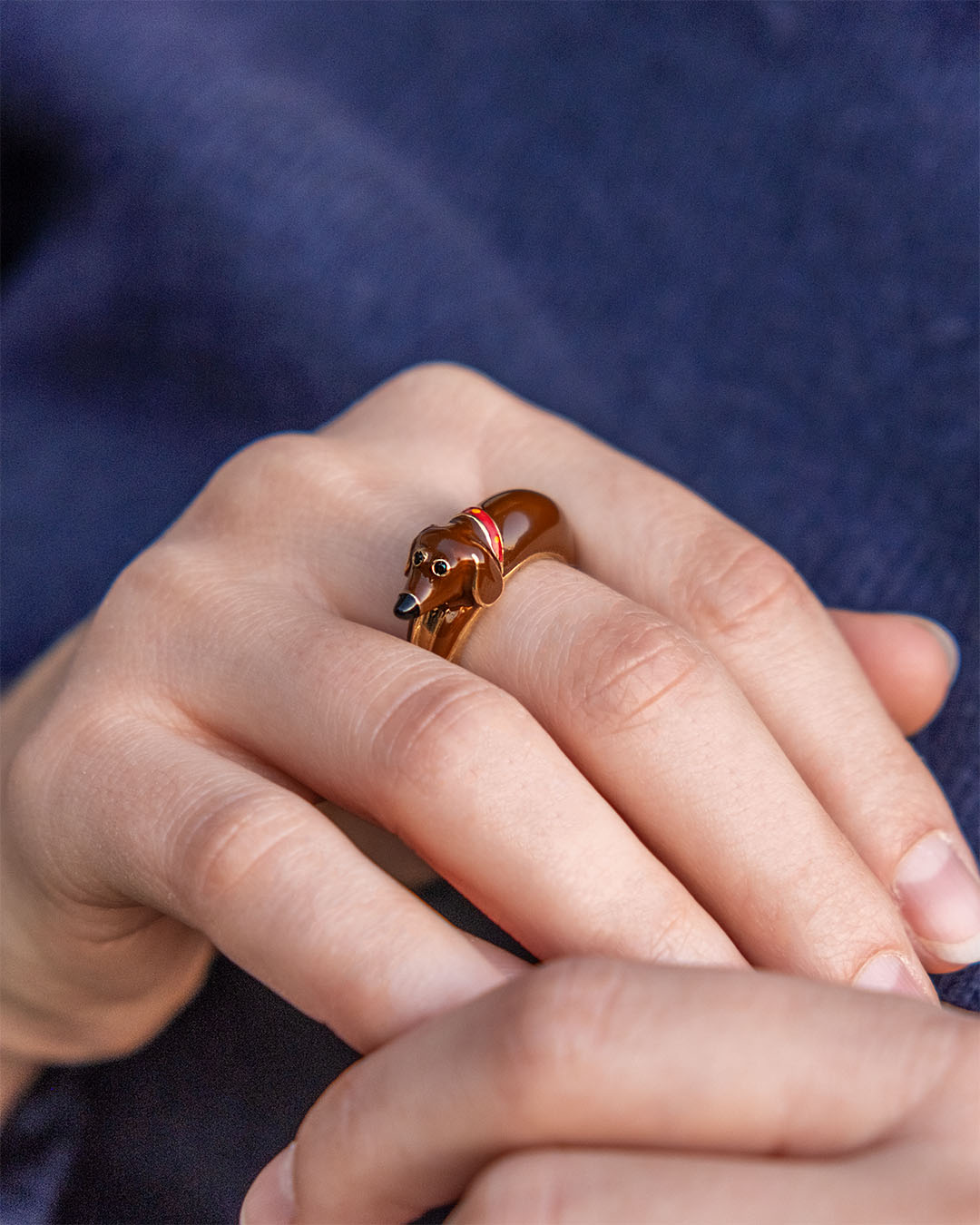
In jewellery and accessories, the Kidult aesthetic translates into playful jewellery, oversized rings, colourful beaded necklaces, charm bracelets and plush bag charms: pieces that feel intentionally joyful, expressive and nostalgic.
 |
 |
Dopamine Decor and emotional interiors
In home décor, this trend is expressed through Dopamine Decor, where interiors become spaces designed to evoke emotion and pleasure.
According to neuroscience, being surrounded by visually stimulating and pleasant environments activates the brain’s reward system, associated with emotional satisfaction. In this sense, Dopamine Decor can be understood as a response to decades of minimalism, which often created a sense of distance and emotional neutrality.
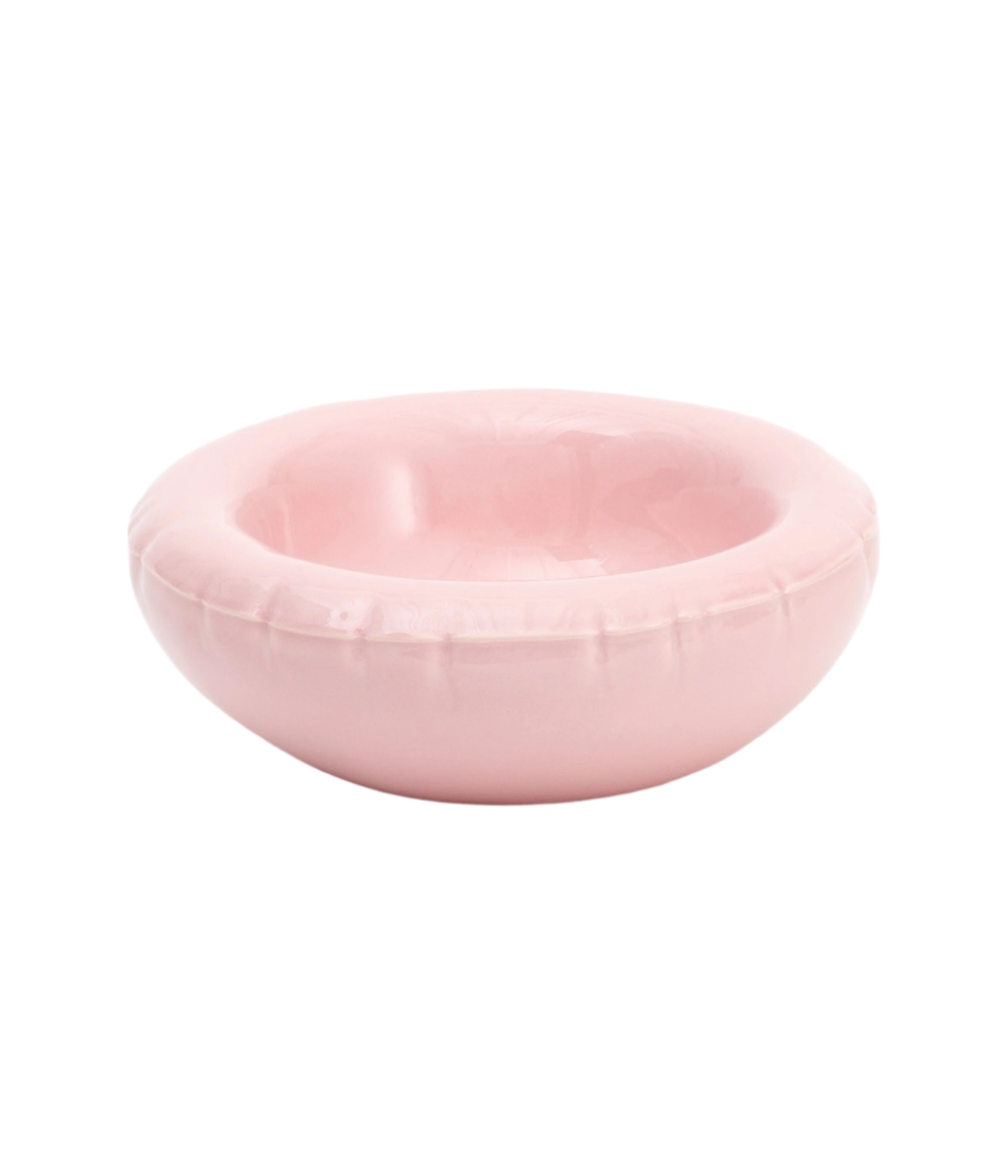
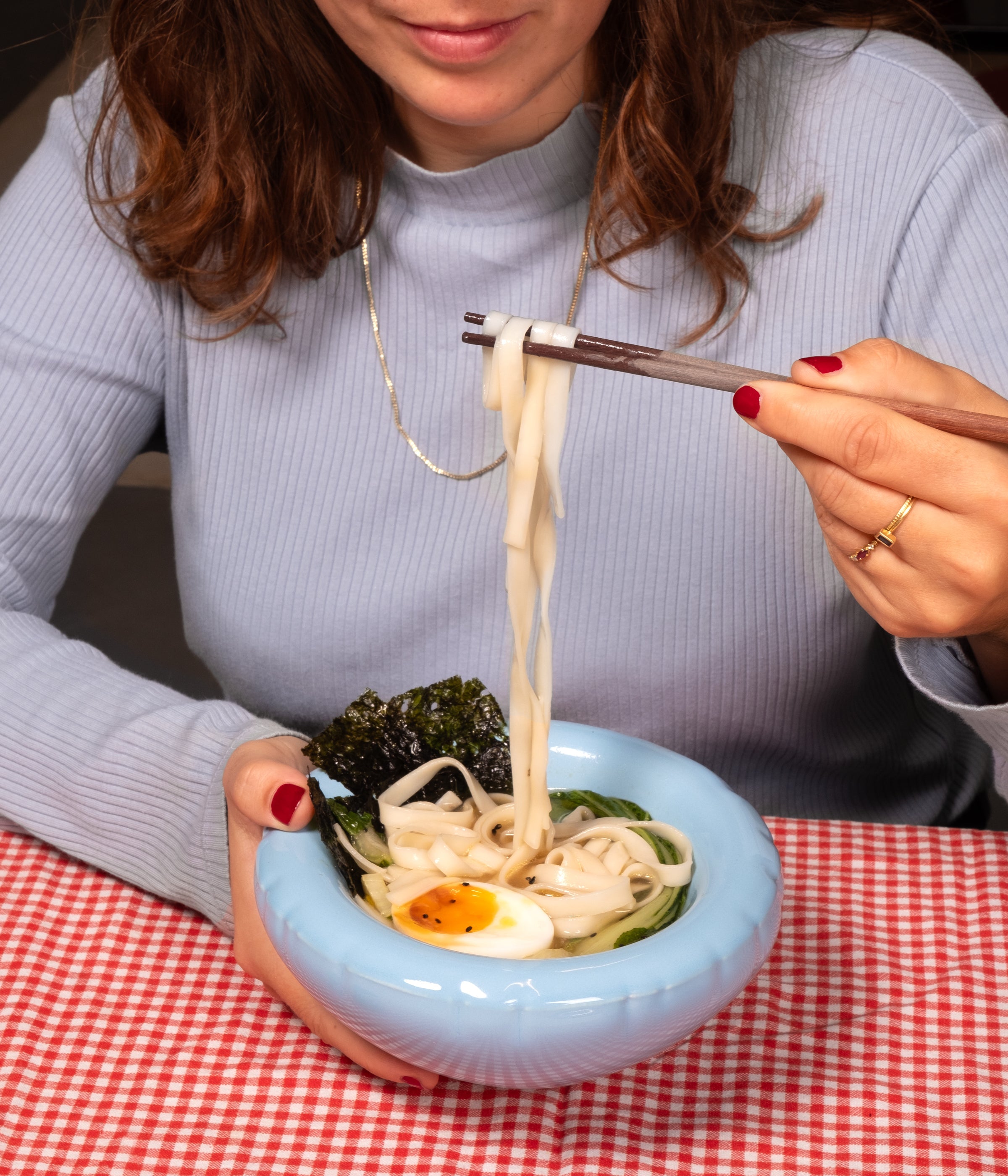
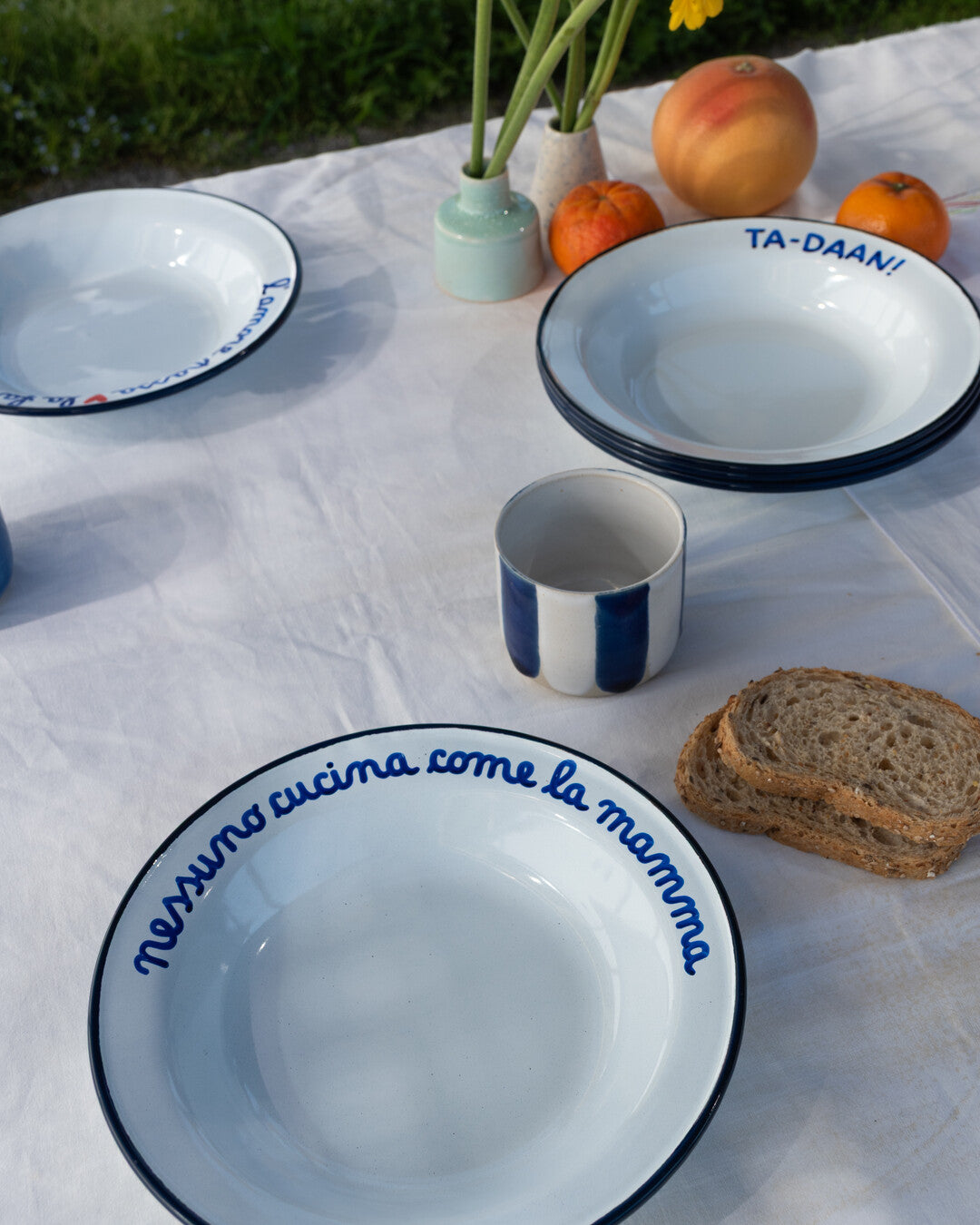
In contrast, today’s interiors embrace color, texture and playful forms, creating multisensory environments that feel more personal and emotionally engaging. A colorful lamp, a sculptural object or a playful decorative piece can transform a functional space into something that feels like a childhood playground reinterpreted for adulthood.
 |
 |
The role of handmade objects
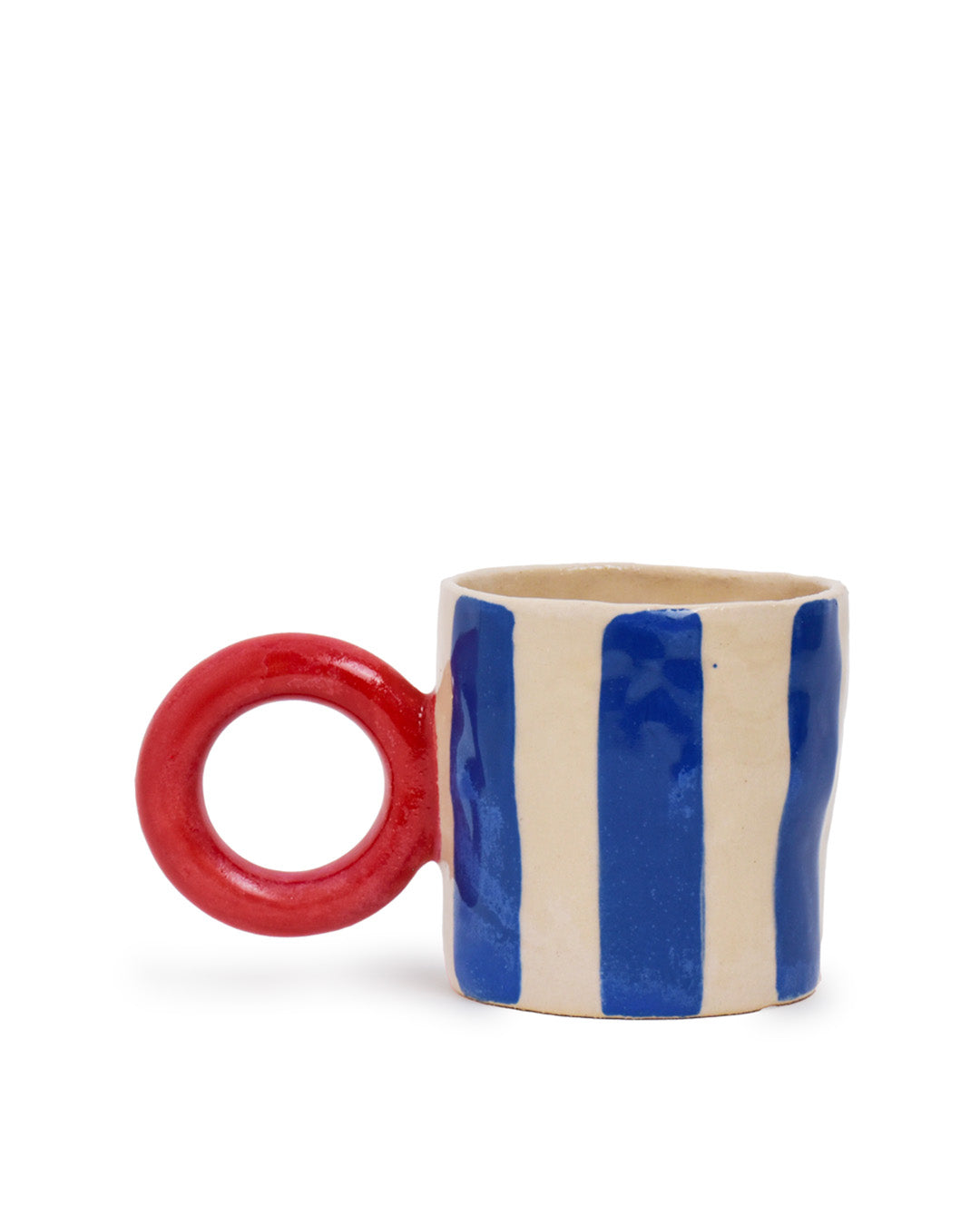
Handmade, unique and imperfect objects play a key role in this shift. People are increasingly drawn to objects that evoke emotion, memory and intimacy.
Crafted pieces embody these qualities by merging the maker’s human touch with a tangible, physical experience. The awareness of time, technique and intention behind an object creates a deeper emotional connection with it.
In contrast to the polished perfection of digital culture, human imperfections and raw materials bring back a sense of authenticity and nostalgia for a pre-digital world.
 |
 |
Reconnecting with our inner child
Reconnecting with our inner child is, in many ways, a response to the pressures of contemporary life. Burnout culture normalizes overwork and exhaustion, while recession aesthetics have long promoted minimalism and restraint. Within this context, playfulness becomes a form of escape and emotional relief.
Perhaps growing up does not mean giving up playfulness, but finding new ways to integrate it into adult life.
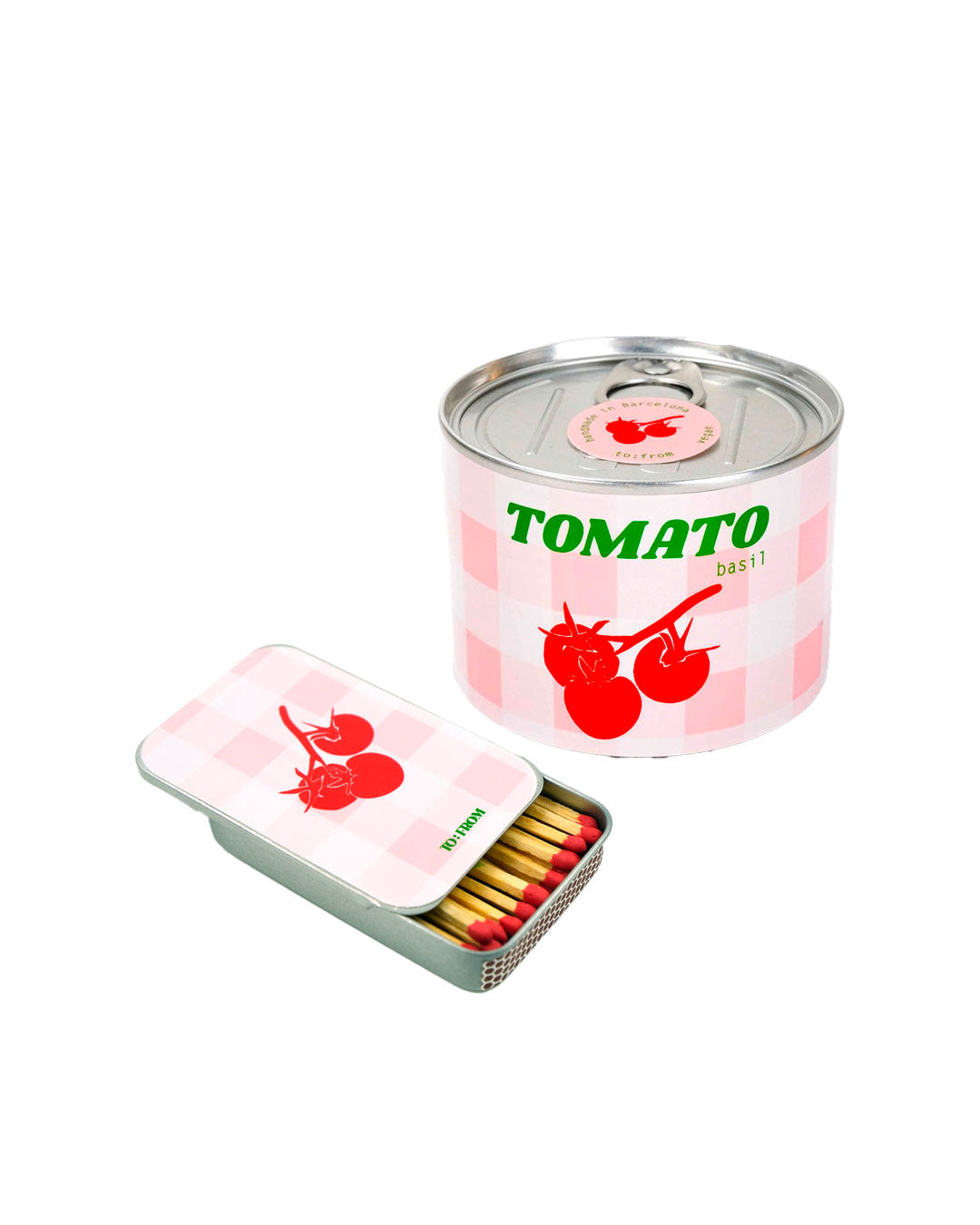
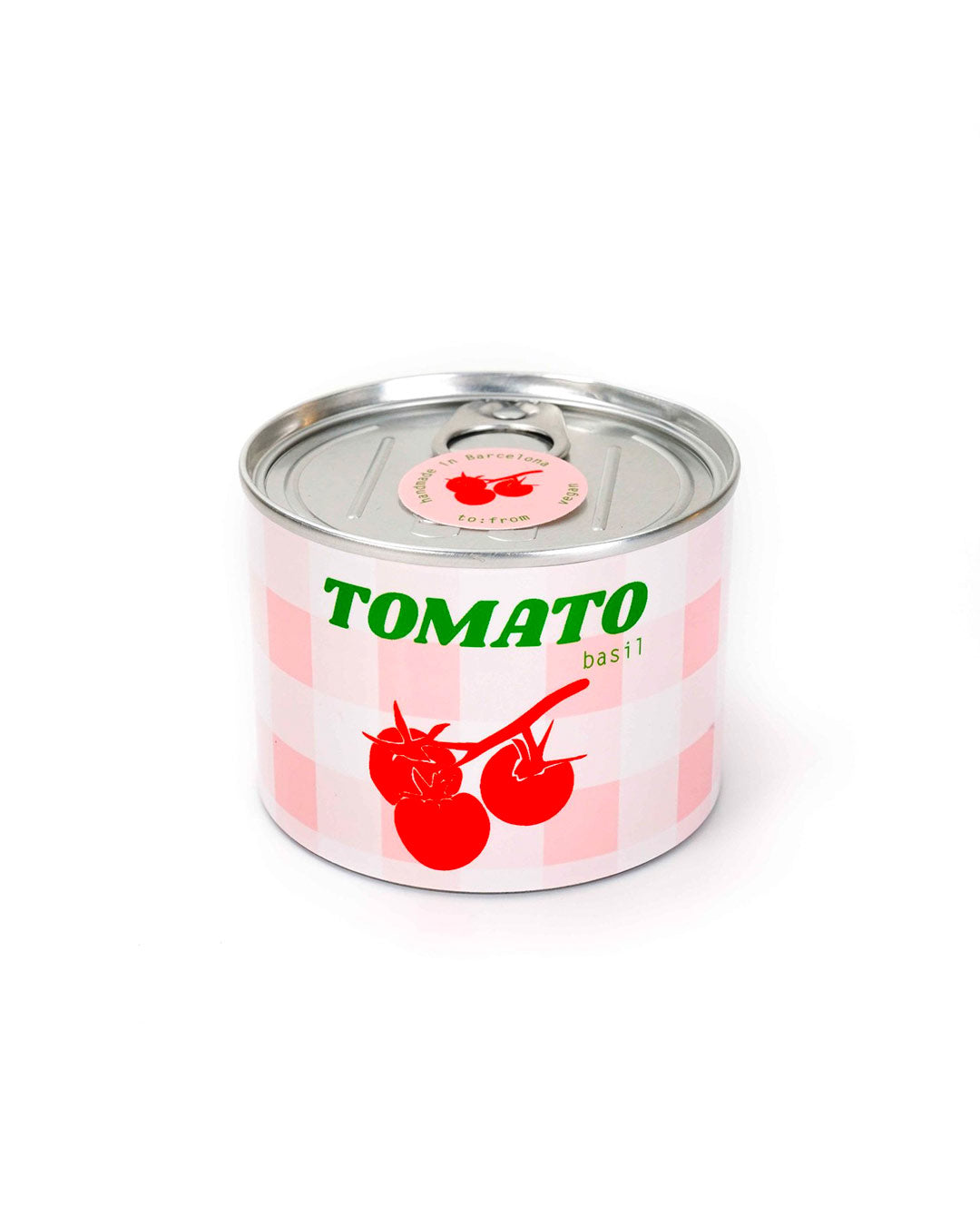
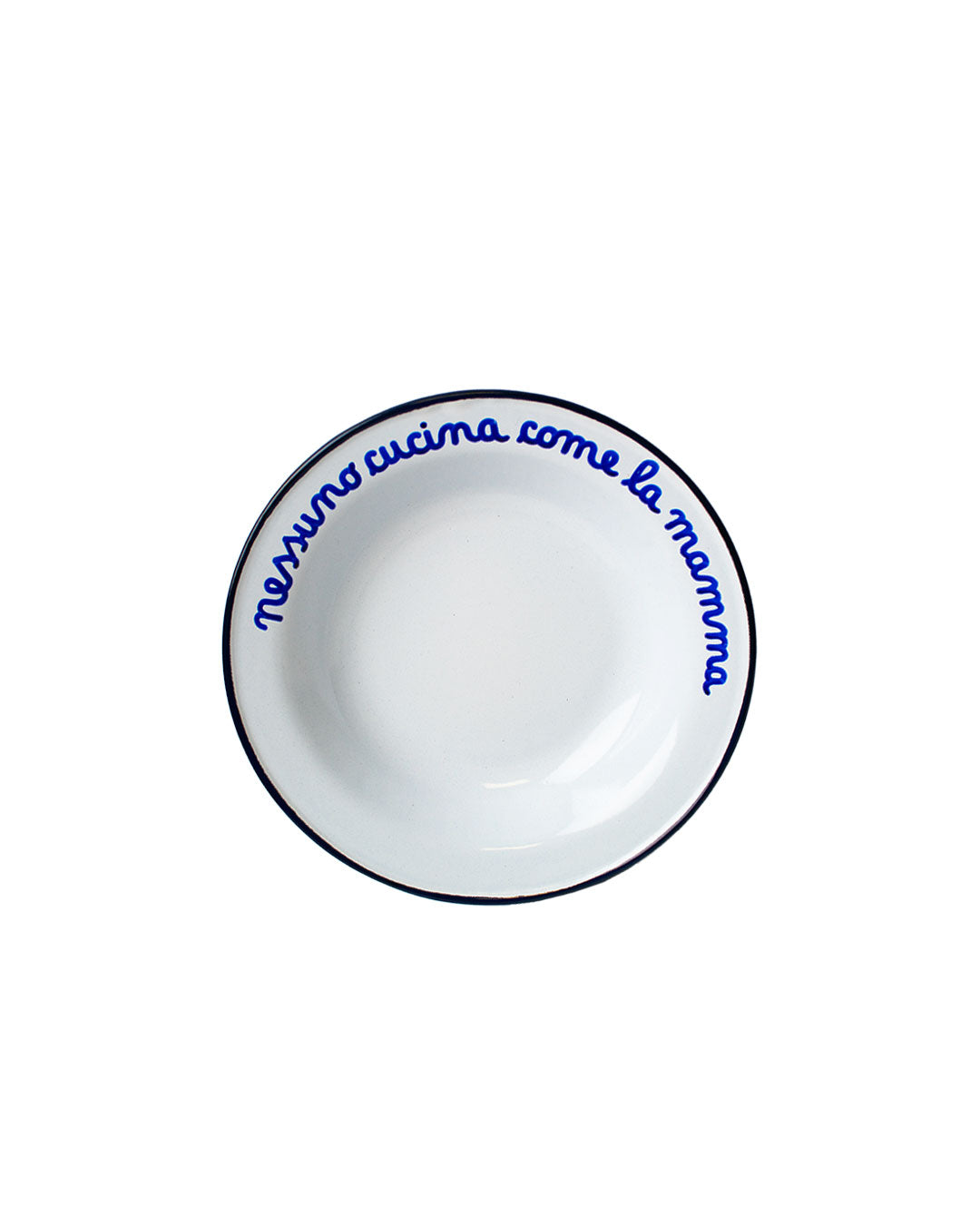
At TA-DAAN, contemporary artisans are already interpreting the Kidult aesthetic through playful jewellery, colourful home décor and emotionally driven handmade objects. From quirky ceramic pieces to charm-inspired accessories, these creations transform nostalgia into something tangible, personal and joyful.
Explore TA-DAAN’s selection of handmade pieces and discover objects designed to bring colour, playfulness and emotional meaning into everyday life.